UNITY GAME DEVELOPMENT

Unity engineering built for production, not just the demo.

Sourcegarden Studio develops and strengthens Unity games across gameplay, tools, VR, multiplayer, performance and headless servers. The goal is a project that can absorb content, produce reliable builds and keep shipping as the design changes.

Discuss your project
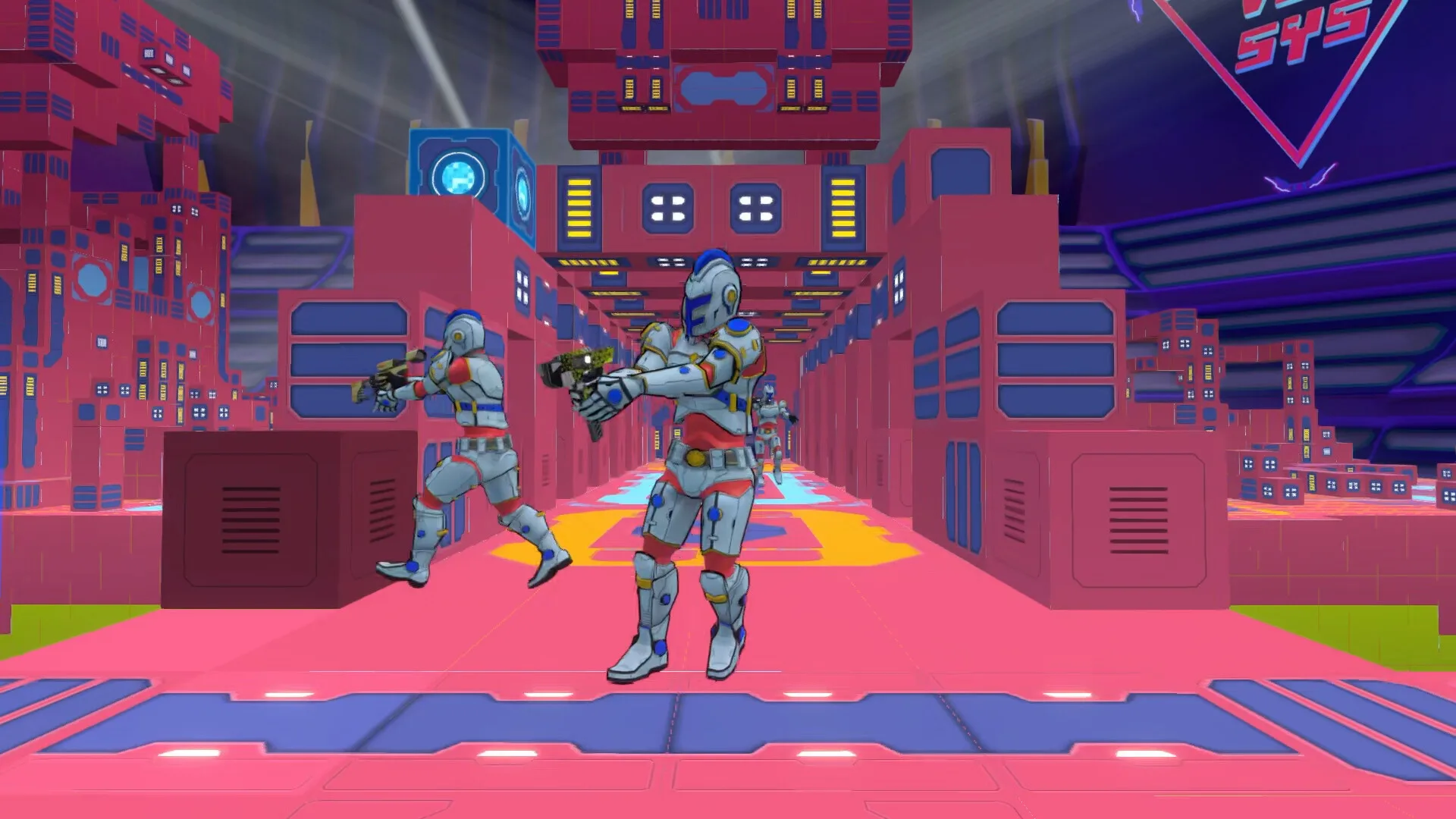
VOXSYS competitive mobile VR gameplay developed and optimized in Unity
VOXSYS · Unity · 90 FPS mobile VR target · Client prediction
01

Gameplay architecture and systems engineering

Unity game development begins with the core loop and the people who need to iterate on it. We design state, input, cameras, combat, progression and simulation boundaries so programmers can reason about behavior while designers can tune the experience without unsafe code changes.

Existing projects are not forced into a fashionable rewrite. We map assemblies, dependencies, scenes and build health, then prioritize changes by player impact, production friction and release risk. New systems are introduced behind testable boundaries with migration planned around active content work.

  • Gameplay and reusable runtime systems
  • Data-driven design workflows
  • Incremental architecture improvements
  • Tests around critical game rules
02

Editor tools and content pipelines

Production speed depends on the path from an idea to a validated build. We create editor tools, import rules, data validation and build-time checks that help designers and artists work independently without allowing silent configuration errors to reach a release candidate.

Procedural and voxel games make this especially important because data, geometry and runtime constraints interact. Bean stalker and Bad Goons demonstrate the value of treating authoring, runtime systems and diagnostic tooling as one owned workflow rather than separate engineering tasks.

  • Custom Unity editor tooling
  • Asset and data validation
  • Procedural content workflows
  • Automated client and server builds
03

Profiling and optimization on target hardware

Optimization starts with a reproducible capture and a budget that matters to the product. We profile CPU, GPU, memory, loading and garbage collection on representative target hardware, rank bottlenecks by player impact and compare every change against the same scenario.

The team's Unity evidence includes a four-kilometre procedural VR world, a mobile VR shooter targeting 90 FPS and a PC multiplayer game with a mutable voxel battlefield. Techniques such as Burst, native containers and data-oriented layouts are used when the measured workload justifies them.

  • CPU, GPU and memory profiles
  • Frame-time and loading budgets
  • Burst and data-oriented optimization
  • Content-performance guardrails
04

Unity multiplayer and headless servers

Unity can span both player-facing clients and authoritative server builds, but the responsibilities should remain explicit. We define replicated state, prediction, server-only systems and backend contracts around the real game loop, then make local and remote environments reproducible for the team.

Bad Goons combines a Unity 6 client, FishNet realtime layer, voxel simulation and dedicated Linux servers. VOXSYS demonstrates client-predicted competitive VR, while Bean stalker demonstrates post-launch co-op. Together they provide evidence across several multiplayer shapes rather than one template.

  • Prediction and replication
  • Unity headless Linux builds
  • Client/backend integration
  • Network diagnostics and deployment

COMMON QUESTIONS

What teams ask before we begin.

Can Sourcegarden Studio join an existing Unity project?

Yes. We first review architecture, packages, scenes, build configuration, performance evidence and team ownership, then propose changes that can be introduced without freezing the rest of production.

Do you provide Unity optimization-only engagements?

Yes. We establish a repeatable profile on the target hardware, prioritize bottlenecks by impact and verify each optimization against the same frame, memory or loading scenario.

Can you build Unity tools for designers and artists?

Yes. Editor tooling, import rules, data validation and content pipelines are often central deliverables because they improve iteration speed and reduce release defects across the whole team.

START A CONVERSATION

Need a game development partner?

Bring Sourcegarden Studio an idea, a prototype, or a production already in motion. We’ll help define the right development scope.

Discuss your game