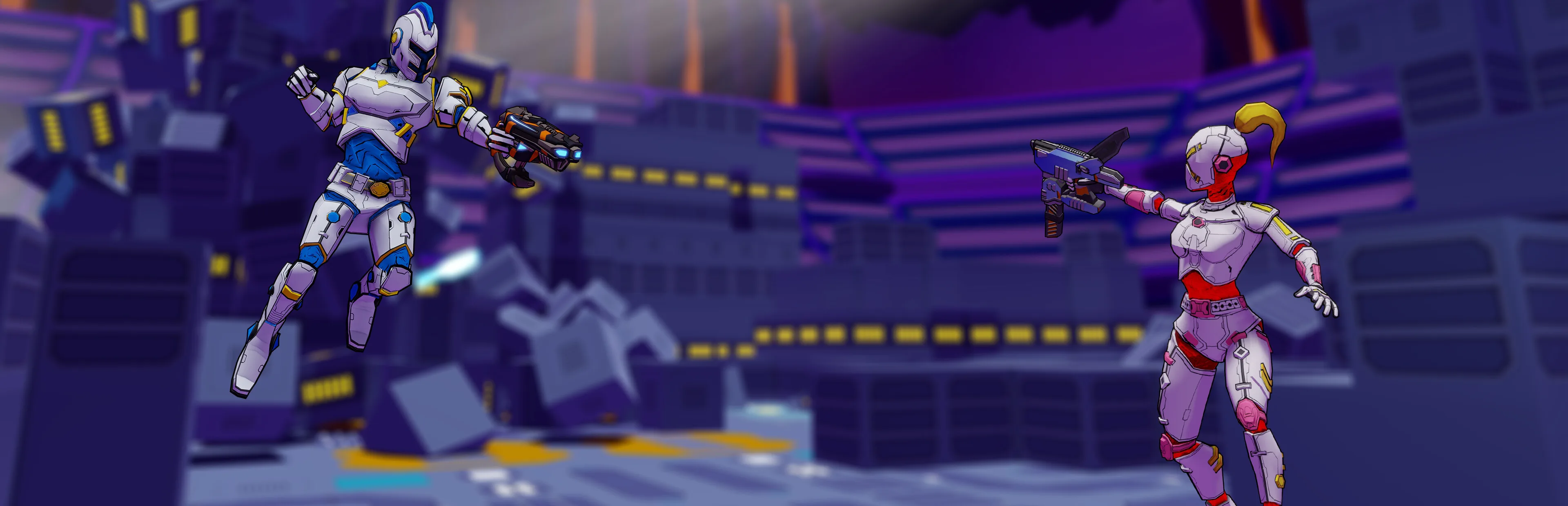
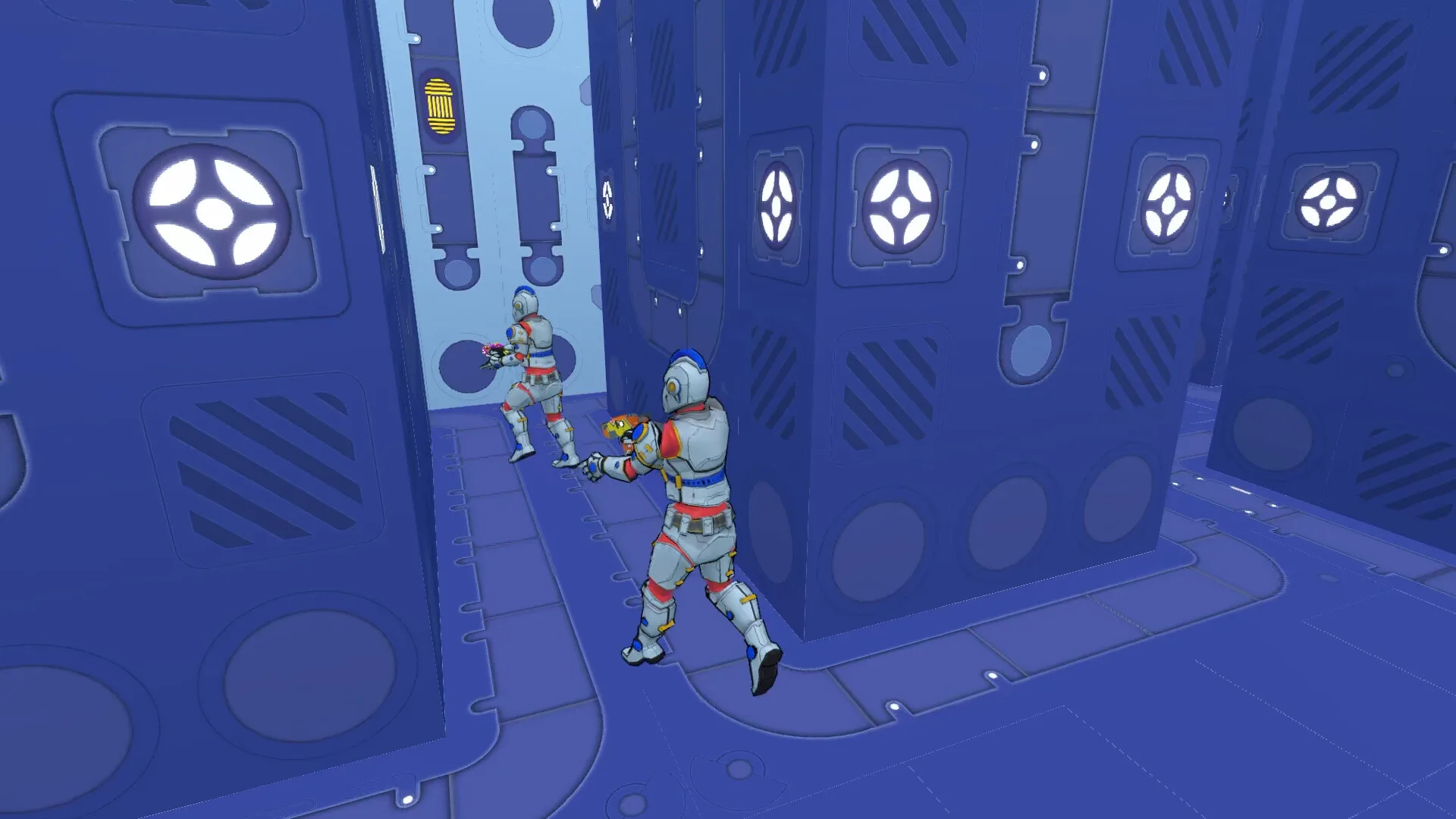
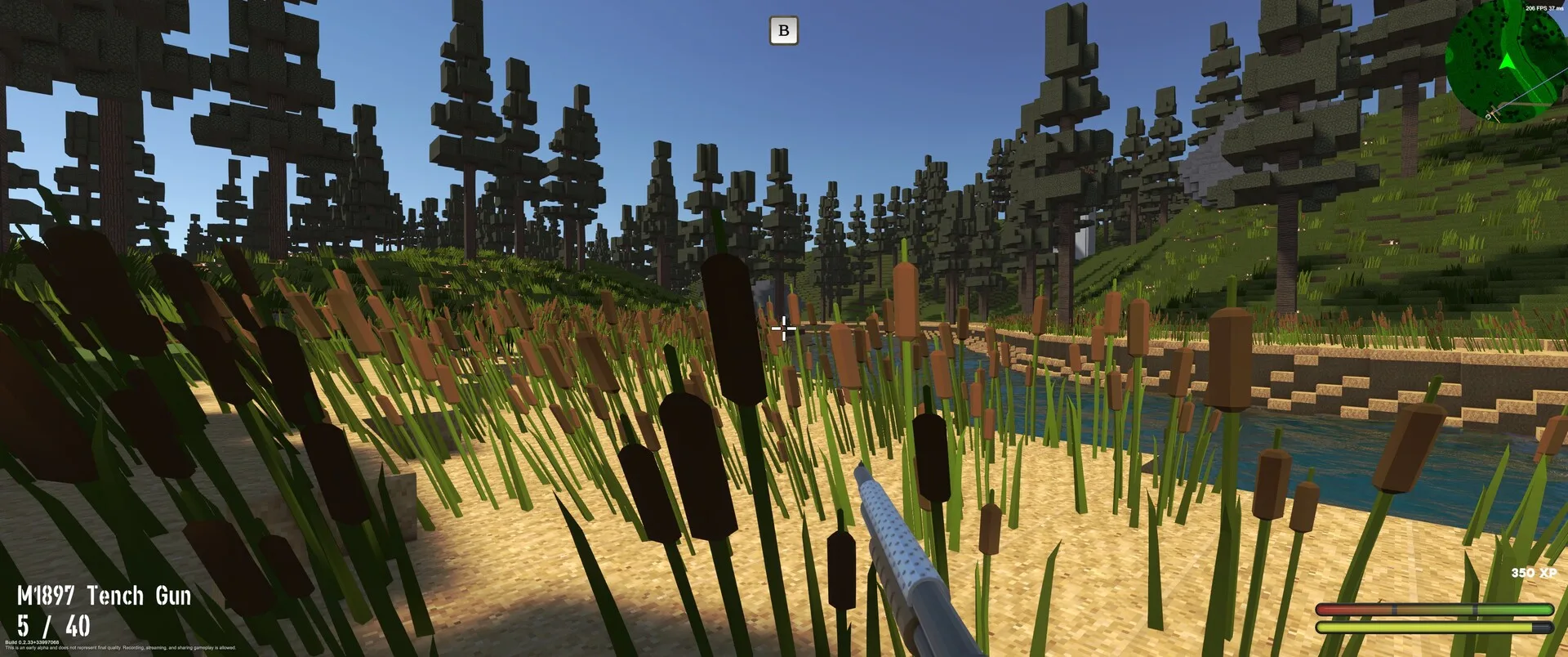
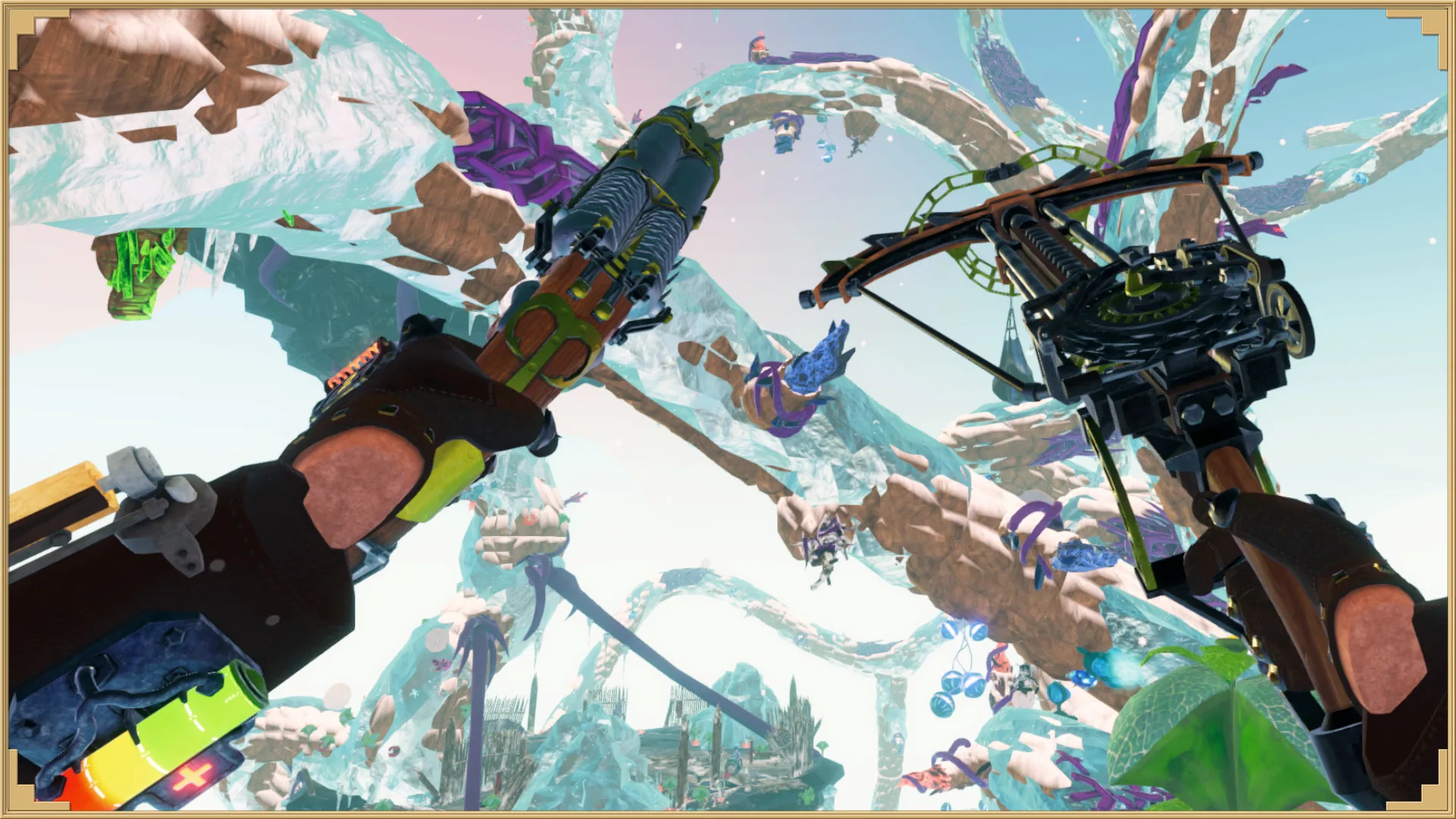
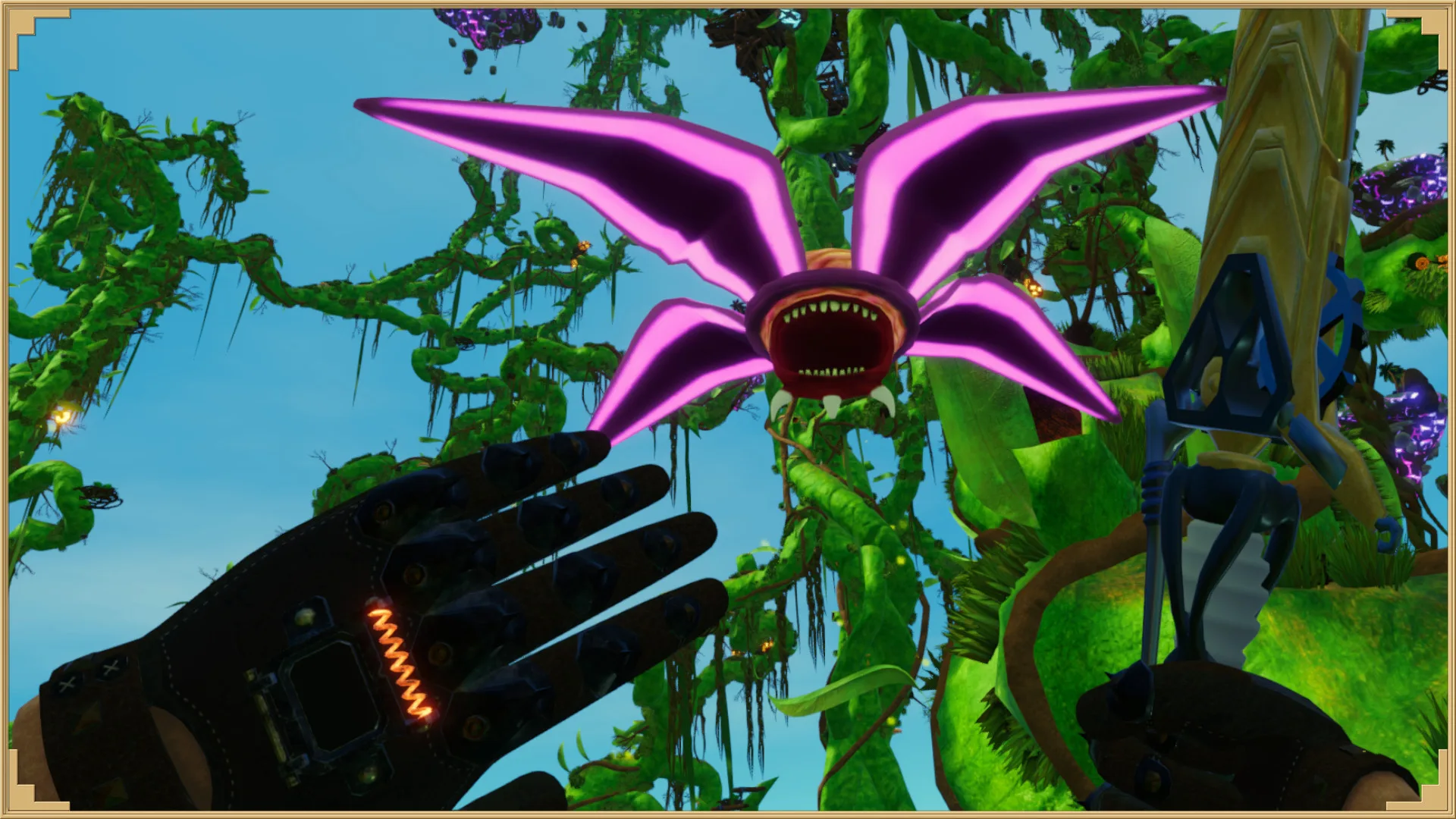
Bad Goons gameplay on a destructible PC battlefield developed in Unity
Bad Goons · Original PC multiplayer IP in active development

FULL-CYCLE GAME DEVELOPMENT

Game development services from concept to release.

Sourcegarden Studio is a game development company in Budapest, Hungary, providing full-cycle development, co-development and specialist game engineering. We connect game design, Unity, multiplayer, backend infrastructure, procedural systems, VR/XR, optimization, tooling and release engineering under one technical direction.

Discuss your project

CHOOSE YOUR DEVELOPMENT PATH

What are you building?

Explore the specialist production capability that best matches your game.

01

Discovery, prototyping and product definition

A useful game development engagement starts by defining the player, the core loop, the target platforms and the production constraints. We turn those inputs into a scope, a technical risk map and a milestone sequence that can support a commercial decision-not just an attractive pitch build.

Prototypes focus on the assumptions most likely to invalidate the plan: whether the mechanic feels good, whether the target hardware can sustain it, whether multiplayer changes the design, and whether the content workflow can scale. The result is a playable foundation and clearer evidence for budget, staffing and schedule decisions.

  • Player and product definition
  • Technical risk prototypes
  • Core-loop validation
  • Milestone and production planning
02

Full-cycle production and game engineering

During production, gameplay programming, data, tools, content integration, networking and build automation advance through shared playable milestones. Senior technical ownership stays close to implementation, so architecture decisions can respond to the real game instead of drifting into a separate design document.

Our documented work covers Unity gameplay, procedural worlds, voxel systems, VR interaction, client prediction, authoritative servers and performance optimization. We use that breadth to make boundaries explicit: what belongs in the client, what belongs online, what designers need to tune, and what must be observable before release.

  • Gameplay and systems programming
  • Unity production engineering
  • Multiplayer and backend integration
  • Optimization and production tooling
03

Co-development and outsourcing that fits the team

Game co-development does not have to mean replacing the architecture or adding an unmanaged group of developers. Sourcegarden Studio can own a defined workstream, reinforce an existing Unity team, recover a difficult subsystem, or take responsibility for a complete vertical slice while working through agreed interfaces and review points.

We make ownership, dependencies and acceptance criteria visible before implementation. That gives internal teams, publishers and other vendors a stable contract around the work. It also makes it possible to scale the engagement deliberately, adding capacity only when the product and delivery evidence justify it.

  • Bounded feature ownership
  • Embedded senior engineering
  • Technical audit and recovery
  • Clear integration and handover
04

Unity development for growing productions

Unity is at the center of much of our game development work, from fast technical prototypes and commercial VR experiences to networked PC games with complex runtime systems. The objective is not simply to implement a feature, but to leave behind a codebase and content workflow that remain understandable as the team and the game grow.

For an existing Unity production, we can investigate architecture problems, stabilize difficult systems, improve performance or build tools that remove repetitive engineering work from content production. Gameplay, networking, presentation and data receive clear boundaries, while profiling starts early enough that frame-time or memory problems do not become structural.

  • C# gameplay and systems
  • Editor and content tools
  • URP, CPU and memory profiling
  • Architecture recovery and stabilization
05

Multiplayer games and dedicated servers

Multiplayer is not a feature that can be attached safely to every finished single-player architecture. Authority, latency, prediction, synchronization, persistence and server infrastructure influence the game loop itself. We model those constraints around how players move, which interactions need immediate feedback and which state must remain trustworthy.

Our multiplayer work includes real-time networking, server-authoritative gameplay, client prediction and reconciliation, state synchronization, sessions and dedicated game servers. We can own the networking layer alone or connect it to the infrastructure needed to deploy, observe and operate live sessions.

  • Authority and network architecture
  • Prediction and reconciliation
  • Networked physics and state sync
  • Sessions, backend and dedicated servers
06

Procedural, voxel and complex game systems

Some game concepts depend on technology that cannot be assembled entirely from standard components. Procedural generation, voxel environments, destructible terrain, spatial algorithms, runtime geometry and world streaming create direct trade-offs between simulation accuracy, visual density, memory, network cost and frame time.

We make those trade-offs measurable and design around the limits of the target product. Specialist game engineering can sit inside a full Sourcegarden production or operate as a focused co-development workstream with clear performance budgets, test scenes and integration boundaries.

  • Procedural world generation
  • Voxel and destructible environments
  • Spatial data and runtime geometry
  • Multithreaded performance-critical code
07

VR, AR and XR game development

Immersive production introduces a different set of design and engineering constraints. Interaction must feel physically understandable, input has to remain predictable, and small inconsistencies in locomotion, scale, latency or frame time can directly affect player comfort.

Our experience includes commercial VR production, physics-driven interaction, procedural worlds and multiplayer on headset hardware. We build around tracked input and real device budgets from the start rather than treating immersive development as a camera mode added to a desktop game.

  • VR gameplay and interaction
  • Locomotion and immersive UX
  • Headset performance optimization
  • Multiplayer VR and XR prototypes
08

Release readiness and post-launch support

A production-ready game needs more than a feature-complete client. Build reproducibility, target-device profiles, crash and server diagnostics, version compatibility, rollback paths and ownership after launch all influence whether a release can be operated with confidence.

We prepare the agreed release path alongside the game, not as a final packaging task. Post-launch work can include performance fixes, multiplayer tuning, new content support and the LiveOps engineering required by the product. The exact responsibility is documented so the studio and client know who owns each operational decision.

  • Automated release builds
  • Performance and failure-path validation
  • Deployment and diagnostics
  • Post-launch engineering support

FROM IDEA TO PLAYABLE

Ready to prove the core of your game?

Use a focused prototype to validate the mechanic, technical risk and production path before the scope grows.

Plan a prototype

A game development partner for more than implementation.

Sourcegarden Studio approaches game development as a connected engineering and production problem. We can move a product from idea to playable evidence, or join a production already underway and take ownership of its most difficult technical systems.

ONE CONNECTED PRODUCTION SYSTEM

The hard part
lives between
disciplines.

Modern game production rarely fails because a team cannot write one more gameplay script. It breaks where systems meet: a mechanic that cannot survive multiplayer, a prototype that cannot absorb content, or a world that performs with ten objects and collapses with ten thousand.

We treat game development as one connected design, engineering and production problem. Every technical decision has to protect the player experience—and every creative ambition needs a credible path to target hardware, online operation and release.

01

Game design

Player experience and core loop

02

Unity

Gameplay, tools and runtime systems

03

Multiplayer

Authority, prediction and sync

04

Backend

Sessions, services and servers

05

Procedural

Worlds, voxels and algorithms

06

VR / XR

Embodied interaction and performance

07

Optimization

CPU, GPU, memory and network budgets

08

Release

Builds, diagnostics and operations

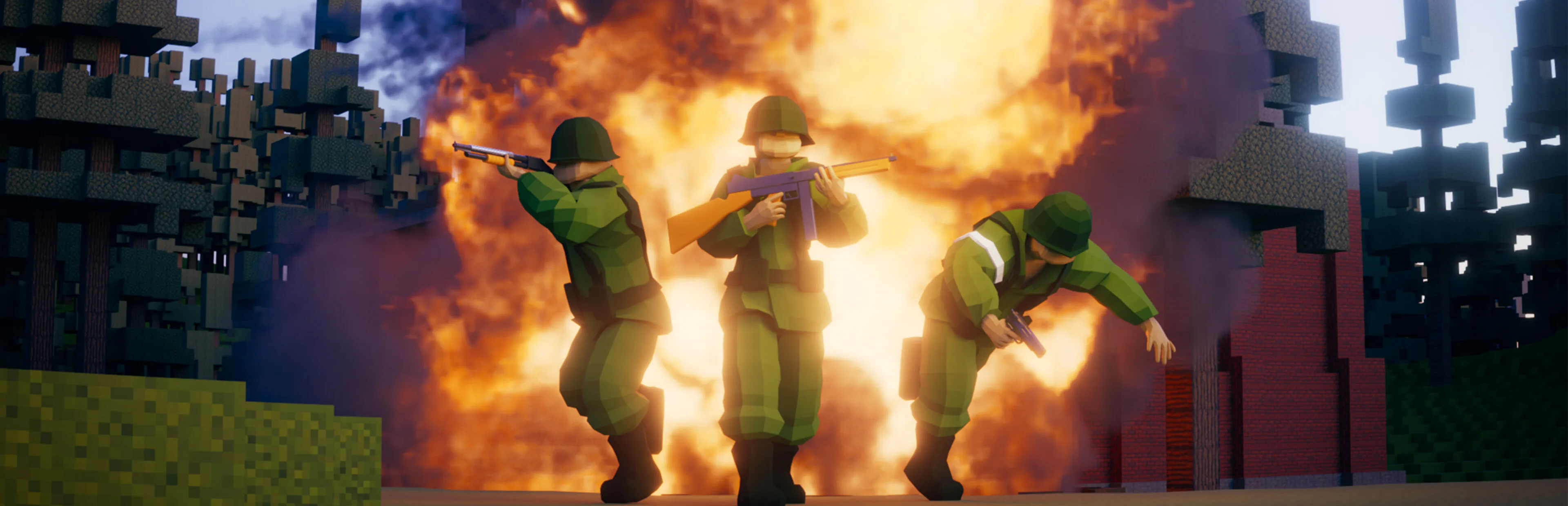
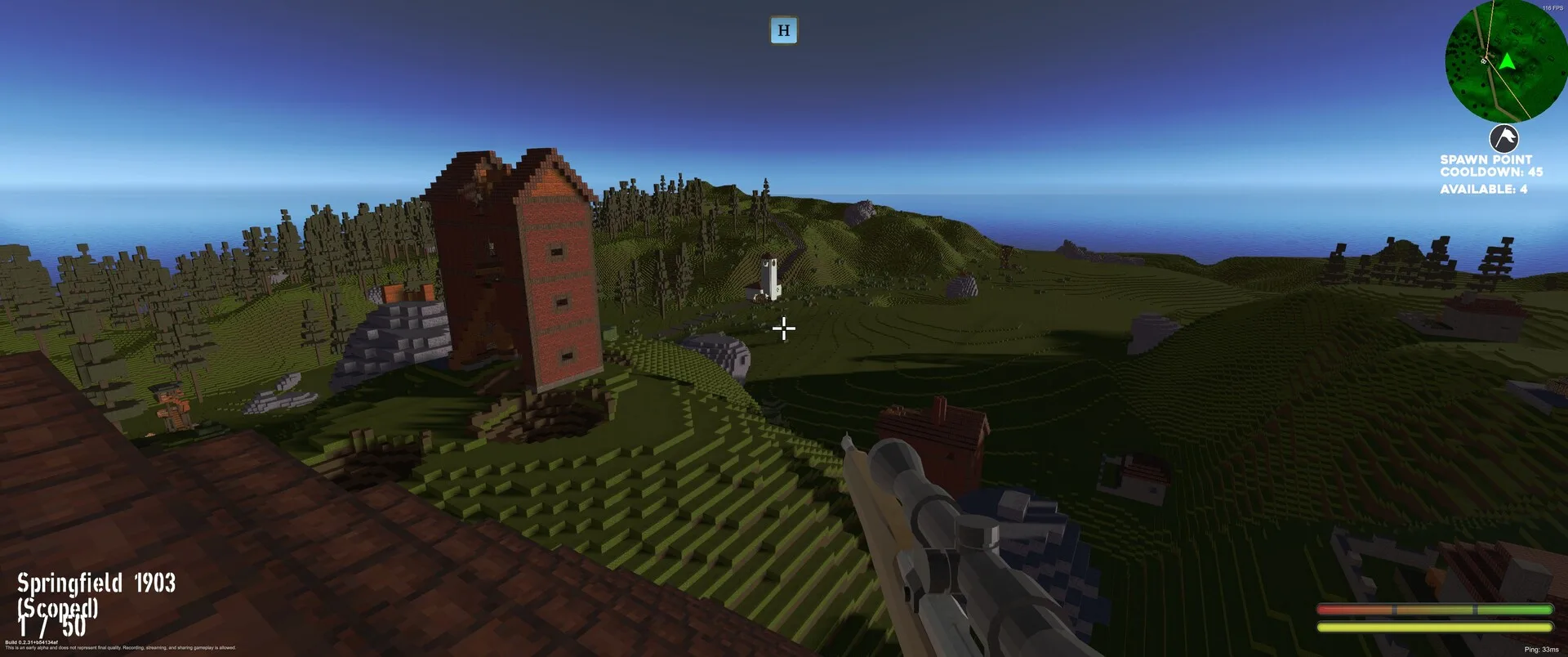
Bad Goons multiplayer gameplay with destructible voxel environments

TECHNOLOGY IS PART OF THE PRODUCT

Build the system the game actually needs.

Bad Goons connects gameplay iteration, real-time multiplayer, mutable voxel terrain, dedicated servers and production tooling in one active Sourcegarden production.

Explore the production evidence

YOUR PROJECT, NEXT

Have a game to build?

Bring us the concept, prototype or production challenge. We can shape the team around the game—not the other way around.

Start a project

THREE WAYS TO WORK TOGETHER

Use the ownership model the production actually needs.

A

Full-cycle development

Bring a concept, prototype or specification. We take responsibility for the agreed production scope—from discovery and architecture through gameplay, optimization and release preparation.

One accountable technical production partner.
B

Game co-development

Your internal team keeps control of the wider product while Sourcegarden Studio owns defined features, systems or technical workstreams with explicit interfaces and acceptance criteria.

Unity · Multiplayer · Procedural · VR · Optimization
C

Dedicated engineering capacity

Senior developers integrate with your repository, backlog and review process to add production capacity without forcing your project to adopt an unfamiliar workflow.

Experienced capacity for a moving production.

FROM UNCERTAIN IDEA TO PRODUCTION EVIDENCE

Keep the game
playable while
uncertainty
comes down.

The exact process changes with the production. The principle does not: prove the riskiest assumption early, keep ownership visible and make every milestone produce something the team can play, measure or operate.

  1. 01

    Discover

    Define the players, platforms, production constraints and the assumptions most likely to change the project.

  2. 02

    Prototype

    Create playable evidence for the core mechanic, multiplayer model, VR interaction or performance target.

  3. 03

    Prove

    Test the riskiest architecture and production assumptions before they become expensive dependencies.

  4. 04

    Produce

    Advance gameplay, technology, tools and content integration through shared working milestones.

  5. 05

    Ship

    Prepare performance, automated builds, diagnostics, deployments and target-platform requirements.

  6. 06

    Support

    Evolve the game through optimization, online tuning, new systems, content and LiveOps engineering.

PC · VR · Multiplayer · Cross-platform Unity · Experimental interactive systems

Discuss your game

COMMON QUESTIONS

What teams ask before we begin.

Can Sourcegarden Studio take over only part of a game production?

Yes. We can own a defined gameplay, Unity, multiplayer, optimization or production-tooling workstream and integrate it with your internal team through explicit interfaces, milestones and handover criteria.

Do you provide both game co-development and full-cycle development?

Yes. The engagement can cover a complete game from discovery to release or a bounded co-development scope inside an existing production. We recommend the smallest ownership model that can produce a complete, testable outcome.

How do you estimate a game before every detail is known?

When key assumptions are still open, we estimate a focused discovery or risk prototype first. That work produces evidence for a milestone plan, team shape, content volume, technical architecture and operating cost.

Can Sourcegarden Studio develop a complete game?

Yes, for projects whose scope and production model fit the team. We can support the path from concept and prototyping through gameplay production, multiplayer, optimization and release preparation, with the exact creative and technical ownership agreed during discovery.

Do you provide game development outsourcing?

Yes. Our outsourcing model is based on visible technical ownership rather than anonymous capacity. We can take responsibility for a feature, gameplay system, networking layer, optimization workstream, tooling project, prototype or vertical slice and integrate it with the wider production.

Do you specialize in Unity game development?

Unity is one of our primary production technologies. Our experience includes gameplay systems, multiplayer, procedural generation, voxel technology, physics interaction, VR, editor tooling, rendering workflows, headless servers and performance optimization.

Can you help an existing game with technical problems?

Yes. We can audit an existing Unity project, isolate architecture or performance problems, recover difficult systems, improve multiplayer behavior or assume ownership of a technical area that has become hard for the original team to maintain.

Can we build a prototype before committing to production?

Yes—and for technically uncertain games we often recommend it. A focused prototype can validate the core mechanic, network model, VR interaction, procedural technology or target-device performance before significantly more budget and time are committed.

Do you provide post-launch support?

Yes. Depending on the engagement, post-launch support can include bug fixing, performance work, multiplayer tuning, backend improvements, new gameplay systems, content-support engineering and LiveOps development.

Where is Sourcegarden Studio located?

Sourcegarden Studio is based in Budapest, Hungary. We work with international studios, publishers and product teams while operating inside the European Union.
LET’S DEFINE THE NEXT MOVE

Put the right team behind your game.

Tell us where the project stands and what has to happen next. We’ll respond with a practical ownership model and first step.

Share your project